What Conditions Does a Cardiologist Treat? A Fort Wayne Patient Guide
Knowing what a cardiologist treats can help you make faster, more confident decisions about your heart health. If you or a loved one has been referred to a cardiac specialist in Fort Wayne, IN, you may be wondering what conditions fall under our care. Contact us at (260) 489-4100 to speak with our team. This guide walks through the most common heart and vascular conditions a cardiologist manages, symptoms that may warrant a visit, and how the referral process typically works.
Common Heart Conditions a Cardiologist Can Treat
We specialize in diagnosing and managing conditions that affect the heart and blood vessels. Heart disease rates in Fort Wayne, IN, remain above the national average, making access to specialized cardiac care especially important for residents across Allen County and surrounding communities.
Coronary Artery Disease
Coronary artery disease (CAD) occurs when plaque builds up inside the arteries that supply blood to your heart, reducing blood flow and raising the risk of a heart attack. We may order imaging tests, prescribe medications, or recommend procedures such as stent placement to help restore circulation.
Heart Failure
Heart failure means the heart is not pumping blood efficiently. Patients may notice fatigue, shortness of breath, or leg swelling. Ongoing management from our cardiac team can help slow progression and improve quality of life.
Arrhythmia
An arrhythmia is an irregular heartbeat that can feel like fluttering, racing, or skipping in your chest. Some arrhythmias are harmless, while others may require medication, cardiac monitoring, or a pacemaker.
Hypertension and High Cholesterol
High blood pressure and elevated cholesterol are leading risk factors for heart disease. We often work alongside your primary care provider to monitor these conditions and adjust treatment when lifestyle changes alone are not enough.
Peripheral Artery Disease
Peripheral artery disease (PAD) affects blood vessels outside the heart, often causing leg pain, cramping, or slow-healing wounds. Our team provides integrated cardiac and vascular care for more coordinated treatment when both are present.
What Symptoms Suggest You May Need to See a Cardiologist?
You should not wait to seek care if you experience any of the following:
- Chest pain, pressure, or tightness that comes and goes or worsens with activity.
- Shortness of breath at rest or during mild exertion.
- Unexplained fatigue, especially paired with dizziness or lightheadedness.
- Palpitations or a noticeably irregular heartbeat.
- Swelling in the legs, ankles, or feet without an obvious cause.
- A personal or family history of heart disease, particularly combined with diabetes or high cholesterol.
Many patients in Fort Wayne and nearby communities, including New Haven, Huntertown, and Leo-Cedarville, are referred to us after a primary care provider notices something unusual on a routine exam or blood panel.
Diagnostic Tests Used to Evaluate Heart Conditions
Accurate diagnosis comes before any treatment plan. Our team uses a range of noninvasive and office-based tools to assess each patient's cardiovascular health.
EKG Testing
An electrocardiogram (EKG) records the heart's electrical activity and can detect arrhythmias, signs of a prior heart attack, and other abnormalities quickly and without discomfort.
Heart Scan Imaging
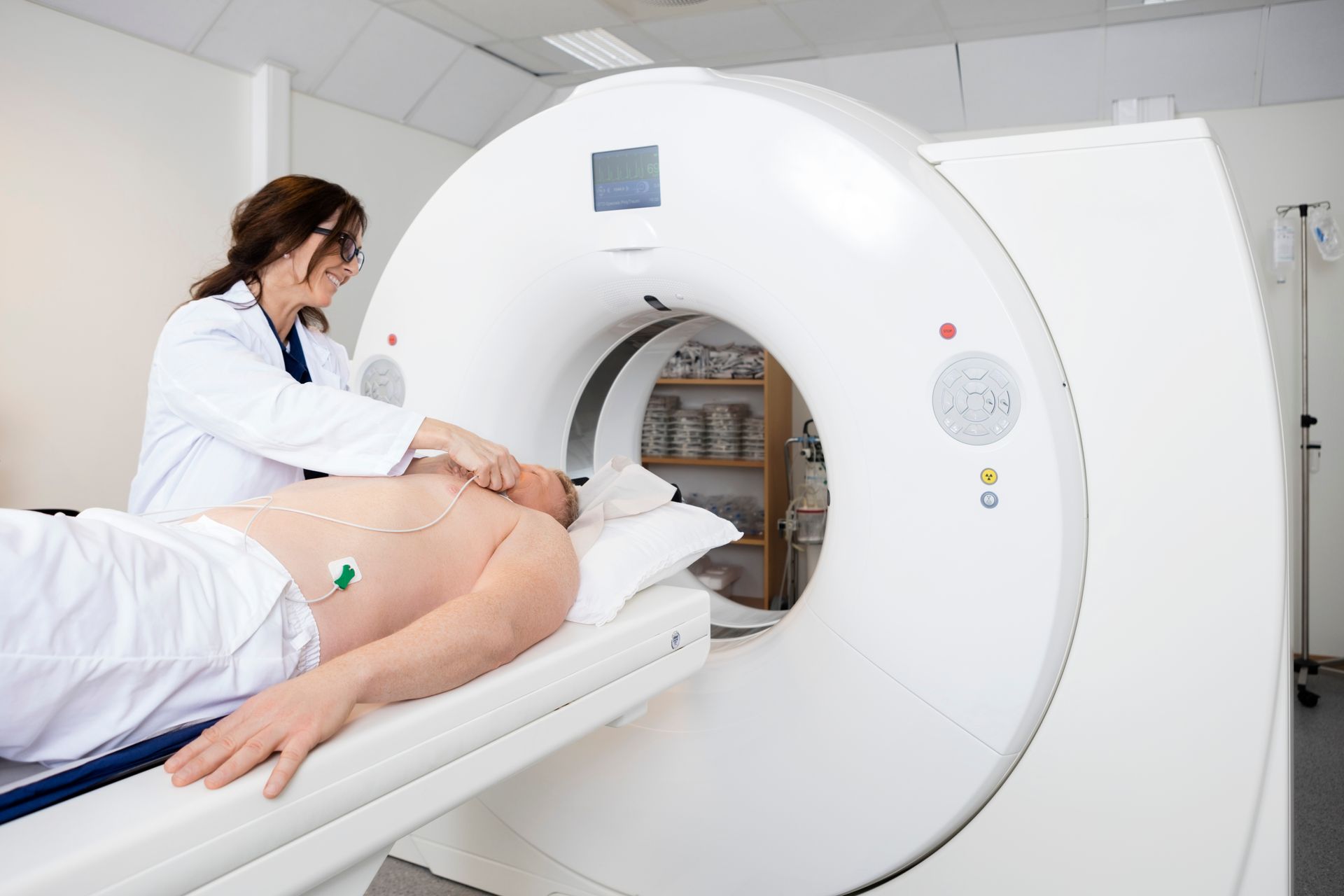
A heart scan uses CT technology to detect calcium deposits in the coronary arteries. It is especially useful for patients with risk factors like high blood pressure, high cholesterol, or a family history of heart disease, and can reveal early warning signs before symptoms appear.
Stress Testing and Echocardiography
A stress test shows how the heart performs under physical demand. Echocardiography uses ultrasound to create detailed images of the heart's structure and function. Both help our physicians assess how well the heart is working and whether further intervention is needed.
Nuclear Cardiology
Our practice operates an accredited nuclear cardiology lab. This specialized imaging uses small amounts of radioactive material to evaluate blood flow to the heart muscle, offering greater detail for complex cases.
How Fort Wayne Patients Typically Get Referred
Most patients see us after a referral from their primary care provider. Referrals are common when a physician detects an abnormal EKG, an elevated cardiac risk score, or symptoms requiring further evaluation. Our team holds hospital privileges at all five major Fort Wayne hospitals, which supports smoother coordination when inpatient and outpatient care are both involved.
Can I Refer Myself to a Cardiologist?
Some patients reach out directly without a formal referral, particularly those with a strong family history of heart disease or new symptoms. We welcome questions from both patients and referring physicians and can help determine whether a cardiac evaluation is appropriate.
How Is a Cardiology Visit Different From a Primary Care Visit?
We focus specifically on the heart and blood vessels. While your primary care provider handles general health, our cardiology team brings advanced training, specialized equipment, and a deeper cardiovascular focus. Having both types of care working together can lead to more thorough and timely treatment for patients in Fort Wayne, IN.
Ready to Take the Next Step for Your Heart Health?
Our board-certified cardiologists have served Fort Wayne, IN, and the surrounding Allen County region for over 20 years. We offer a full range of cardiac and vascular services, from routine diagnostics to complex hospital-based procedures. Check our Google Business Profile to read patient feedback. Call (260) 489-4100 or send us a message to schedule your consultation with Allen County Cardiology.